So I researched Mr. Kirk. I agree that he was a strongly opinionated conservative Christian, which was his right. He was not very Christlike, though. That’s a misunderstanding that many of us make, Christianity vs. Christ. From looking at videos, he definitely was judgmental and disparaging, not someone I would have hung out with. You should research it. He was anti-homosexual, pro-gun at the expense of the inevitable death of innocents, and thought a woman’s place was in the home, and was racist and anti-immigrant. All opinions he was entitled to. What I found interesting is that he was changing his opinion of Israel, stating that they are committing genocide and racial cleansing. The Trump camp, including people like Steve Bannon, is hypothesizing that there is a massive cover-up by the Trump administration about who really killed Kirk and why. It’d be interesting to see if Mom would side with Trump over Kirk if there’s truth to that theory. People seem to love drama.
Category Archives: Mid-life
Matthew Cooke
Chop Wood, Carry Water

Old Body, Young Mind
“Don’t let the old man in,” sang Toby Keith before he died, quoting Clint Eastwood on how he’s managed to live for so long.
I’ve always believed in not fighting my age but rather being the best at my age that I could be. I felt that within reason, there’s not much one can do to keep the old man away, it’s a natural process that can’t be defeated, t-cells and all of that.
In the space between medical appointments, which seems to be about a month now, I find myself wondering if I really am diseased. Except for being fat and out of shape, which results in shortness of breath and heavy limbs, I feel just fine. I don’t see anything wrong with being able to nap at will. Always feeling full and having a distended belly is an irritation but lots of men have bellys. The pain in my fingers I’ve had for years.
I measure my blood pressure each morning. It’s usually elevated at first but then I meditate and the second measurement returns just fine. I use my Kardia and do a 12-lead ECG just before I take my blood pressure and I almost always get a reading of sinus rhythm with wide CRS; what I’m watching for is atrial fibrillation, and that’s only happened once since they shocked me, although odds are that I’ll have to be shocked again within a year. I’m not joyful, but I’m okay, seemingly normal. I’m grateful.
And then I have an appointment and the PA say’s I’m lucky and should live five years.
And then I have an appointment and the doctor says he has several patients with the same disease that should have died within five years but didn’t. He wants me to set a record; aim for eight years.
He says that when he autopsies his heart patients, about 30% of them have amyloidosis and his opinion is that we’re in the dark ages with our understanding of this disease. It’s not just 1% of society that gets it, it’s much greater. No doubt he’s right.
Most recently, I met with a new cardiologist and was impressed with his compassion and ability to communicate through storytelling. He said my case was complicated because I had four issues. The first was that I caught the disease early. Offsetting that was that the doctors also caught it early so my treatment began before Amy had a chance to advance even further. Two issues have to do with the cost vs. benefit of the drugs I’m on. They keep me from having a stroke or heart attack but they might cause damage to my eyes, kidneys, lungs, and thyroid – it’s a matter of regular blood work and monitoring.
The fourth issue is that my numbers seem to indicate that I’ve experienced a pretty severe heart attack. The challenge is that none of my scans show that. The fear is that the protein deposits are masking the damage to my heart wall.
It’s a slippery slope. In Dr. D’s words, “You’ve got to maintain a young man’s mind with your old man’s body. If you reverse it, old man’s mind with what you think to be a young man’s body, if you give up hope, well…”
Tomorrow I’m up at 5 am to drive to the other side of the state. I have an appointment with a doctor who just opened up a Phase 3 trial site using CRISPR-Cas9 genome science which has shown good promise in possibly rolling back the protein deposits. We’ll see how it goes.
Miracle Grow
I am doing well. I had an appointment with a therapist to talk about how I’m coping emotionally. I’m coping well. I guess it’s human nature to be upset or depressed when receiving news such as I did, and then to accept and move on, which I believe I have. I met with a team of nutritionists and pharmacists to talk about a healthy and supportive diet that doesn’t contradict my medications. Yesterday I met with a cardiac “Electrician” to talk about ablation, or burning my heart walls, for treatment of my arrhythmias and we agreed to not proceed with that because, in his words, “TTR Amyloidosis acts like Miracle Grow,” and would probably overcome the procedure. I’ll probably need cardioversion, or having my heart shocked, again in the next year and I’ll be on a strong medication to help regulate my heartbeat for the balance of my time. I’ll be getting another ultrasound to see if the last one, which showed a severe reduction in my heart’s function, was due to one of the strong medications that I’m on or an actual, physical change in the capacity of my heart. I’ll be wearing a heart monitor 24/7 for a couple of weeks. I’m meeting with another cardiologist from my existing team in May and will be discussing the possibility of being referred into a new clinical trial that is showing positive results in treating this disease. All in all, except for the shortness of breath and being able to nap at will, I’m feeling good.
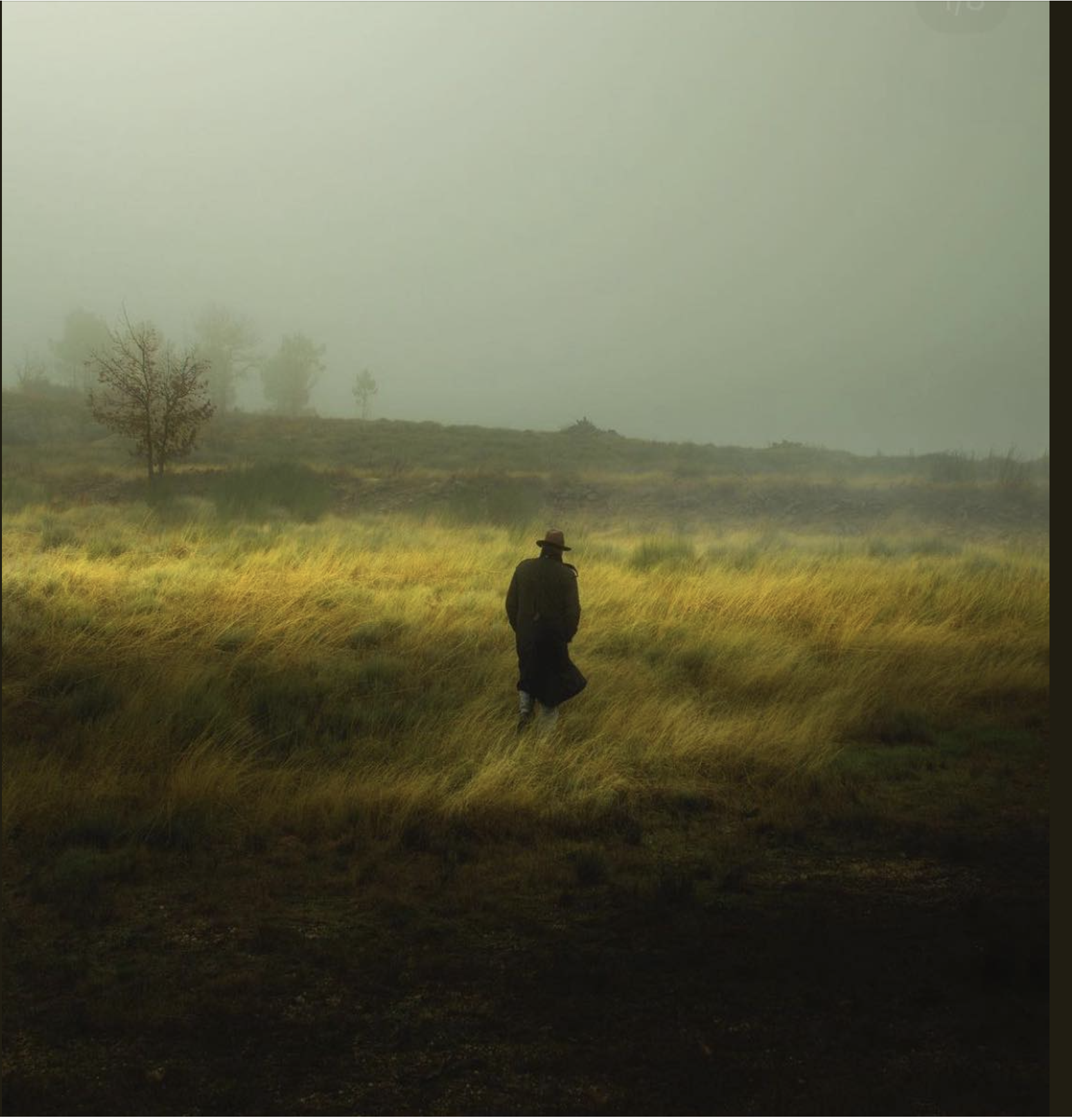
Tears
God, I’ve had a good life. It was amazing!
A magical time


The Bardo
Update: I had an ECHO (cardiography) done this morning. My left ventricular ejection fraction was at 65% last June and is now estimated to be at 43%. To my simple way of thinking, this measures my heart’s ability to pump blood. If I hit 40% or below it’s bad. What concerns me is the strong downward trend but I only recently started on Tafamidis, the medication that should slow this progression so I’m hopeful that the drug will work.
To be clearer on why I’m asking for financial help, this disease leads to fatigue and to death. I currently teach candidates to pass licensing exams but that effort becomes more and more taxing. With my medication and health care costs, my fixed income falls about $2,000 a month short so I have to keep working. Poor planning on my part, but here I am.
About a decade ago, I wrote a novel and what I’m trying to accomplish now is the writing of a practice set and study aid that I can market to students. I think it’ll be successful but my energy is usually drained from my other commitments and I know that exhaustion will only increase. I’m trying to build a fund to pay my expenses and allow me to transition from my teaching endeavors to the creation of something that I can leave behind for the ones I love.
Beyond donating to me, the two most helpful things you could do are to share my information with your “village” or, if interested, go to Amazon and buy the Kindle version of my previous book, “The Homeward Migration of Souls.”
No matter what you choose, thank you for reading as I step into the Bardo.
I’ve been diagnosed with wild-type amyloidosis. The studies show that the average person lives 3.9 years after diagnosis. What kills them, if it’s not a stroke or bad kidneys or bad liver, is congestive heart failure. From what I’ve learned, I’ll probably progress from being able to walk, to needing a wheelchair and an assistant, to being bedridden and drowning in my fluids. Though I’m in a loving relationship, I do live alone and I’m hundreds of miles from my family. In anticipation of this, I’m trying to plan financially.
When I was young I typically didn’t think about death, unless having to sing or speak in front of a group of people could be counted as death.

A year after high school, I joined the Army and found myself working as an Airborne Ranger in one of the three or so Ranger companies in existence at the time (as the Vietnam conflict was winding down). At that time, there were way fewer than 4,500 of us who wore the tab and worked in Ranger units. Pretty elite. I can still recall when I gained an understanding of violence and how I became physically ill as I evolved from a peace-loving hippy to Killerman’s son. Death was our business so, of course, I thought about death. One of our common retorts, when faced with something bad, was, “It don’t mean sh*t. We’ll be dead soon anyway.” We based that philosophy on the history of the Rangers (think Tom Hanks in Saving Private Ryan or the stories told in Northwest Passage). Rangers were highly motivated but historically didn’t belong to anybody so they were often given the toughest assignments that resulted in the highest casualties. In reality, we probably had a better chance at survival than regular soldiers because of our training. That time spent under the black beret (now it’s tan) was hard and would result in a broken nose, broken jaw, missing teeth, broken foot, a tiny little piece of shrapnel in my belly, and multiple back operations over the following years. I went from the Rangers to The Old Guard and served in Arlington Cemetary and The White House at the time of Nixon. Later in life, when I surveyed social media for the guys I served with, very few of them were killed on the job. Nevertheless, the thought of an early death became embedded in me.

The years after I left the Rangers, up until I turned thirty, were filled with the continued anticipation that something was going to kill me, and that started a pattern in my behavior. I went to school, earned a bachelor’s and a master’s degree, became a certified public accountant, and then a certified financial planner but I didn’t turn that knowledge on myself. When I turned thirty, it was as if I didn’t know what to do because I hadn’t planned or dreamed of life after that age, but by that time I had cemented my personality.

Back when I was a CPA(c) Ann said I was cute.

I call these next years my mental illness years. As the years passed, I kept slipping in and out of depression, strapping a gun to my ankle, and keeping a ball-peen hammer under my driver’s seat in the car. I was in and out of marriages and relationships, never holding a job longer than two or maybe three years, never saving money, and becoming estranged from my boys. I started living in Mexico until finally I hit bottom. Life drained me; it was hard. Even so, because of my gene pool and my athleticism, I started thinking I’d make it to 82; that seemed a good age. My mother is 93 (she doesn’t know this story). I thought that at 82, I’d hike up Long’s Peak in the winter, sit down under a tree or a rock, and go to sleep.

But then a couple of things happened. Much like the words of Joseph Campbell, I went into the forest and found the jewels, and returned to the world. And, as often happens, I met a woman, and when I first shook her hand, something changed.

So then I started thinking, just for the fun of it, why not aim for 100? I went online and found a mortality calculator that the insurance companies used and I ran everyone I knew through it. That calculator didn’t give me another thirty years, but I didn’t care, I was going to live to a hundred, and I smiled. Life had been hard but now, at age 69 I was happy. I knew that by living to a hundred I’d have to experience the death of most people who were dear to me, possibly even my sons, but living became a happy goal for me and I started planning accordingly. I thought, “Be the best person you can be. Help others, the ones closest to you. As you age, gain wisdom and tolerance, not anger. Love yourself.”
Now, I’m in a happy, loving relationship with a beautiful woman, T. She has three daughters who each have their challenges but are also bright and beautiful. I’ve somewhat repaired my relationships with my sons but there’s still work to be done there, and I’ll probably never be able to get close to my granddaughters because of the physical and emotional distance I put between us.
I’m pretty sure I had COVID before COVID was a thing and since that time I’d been short of breath. Over the past few years, I also had a prostate cancer scare (snip, snip, snip), carpal tunnel surgery, and rotator cuff surgery that failed, leaving me with the need for a reverse shoulder replacement (which I’ve declined because while I can’t lift my arm, I’m not in pain), a wonderful knee replacement that I’m so happy with, split fascia on the left shin, drop-foot and paralysis on the right foot, and a few other minor ups and downs physically.
Last summer, at my annual physical, I remarked about about my shortness of breath. I should mention that I’ve had sarcoidosis for years (that’s another story from my crazy years) and my doctors know this. There was a new cardiac physician assistant on duty and they called her in to see me. She was concerned that the sarcoidosis might now be involving my heart so she brought in a team and they ran some tests as I sat and stood and sat again, smiling, thinking they were overdoing things. Well, that started the ball rolling. That was last June. Since then, I’ve had 29 tests, procedures, and treatments. At the end of November, I was diagnosed with wild-type amyloidosis. You can google it. At this time, there are way fewer than 4,500 people in the U.S. who are diagnosed with this annually. Once again, pretty elite.
My disease or the tests triggered something because where my normal resting heart rate was 42, it suddenly increased to 105 and remained there. After two months of that and no sleep, I was exhausted. I tried to hide it but every time I walked I had to stop, bend over to rest, and my eyes would fill up. I was finally defibrillated, or shocked, back to a normal heartbeat, and three weeks later I still have the outline of the device on my chest. T says it looks like a horse kicked me.
When I see the staff at my specialist’s office, they tell me I’m lucky because of the type of amyloidosis that I have and that I should make it another four or five years.
In December, I went for a walk, my normal walk around the neighborhood. This was a couple of weeks after my diagnosis. I had to cross a road, so I looked both ways and saw there was no traffic. The next thing I knew, I was lying on my back and a circle of cars had stopped around me and someone asked if I needed help. Someone grabbed my glasses while a couple of others lifted me to my feet. A lady said, “Is there anything we can do?” I wanted to ask for a ride home but I just said, “No, but thanks.”
When T saw me later and noticed the blood on my head, she took me to urgent care which sent me to the hospital. I’d suffered a concussion and a compression fracture of my cervical vertebrae. I was to start on a blood thinner because of the high risk of stroke from my AFib but we had to delay that in case I had an issue with bleeding in my brain or neck.

I used to have a bias towards people with heart disease, I thought they brought it to themselves through lifestyle choices, and maybe they do. Maybe I brought my heart disease to me through my choices. There have been a lot of lessons in this.
The primary medicine that I’m on costs over $20,000 per month. My insurance company would pick up all but $3,659 per month but fortunately, my time in the army helps out to the point where this cost is not a concern. From being on few pills, so few that nurses often remarked how few, I’m now on pills to control my heartbeat, control my blood pressure, thin my blood so that I don’t throw off a blood clot, and on and on. I have a morning ritual of about 7 pills and an evening ritual of six pills.
This has been a grieving process.
When I cry, it’s not so much for me as it is for this precious vessel, my body, that has endured so much for me. When I cry, it’s because I know how much I’m going to miss my boys, my family, and T. I didn’t want to leave T alone.
I’m scraping by, but with all the medical procedures, pain, and related expenses, it’s a struggle. I’ve got some fixed income but not nearly enough. I continue to work, but some days it’s very challenging and the day will come when I can’t. I want to leave something good behind for the people who know me.
I’d like some help.
Age 70 isn’t young, but it isn’t 100.

Thanks
Life Expectancy
When I was young I typically didn’t think about death, unless having to sing or speak in front of a group of people could be counted as death. After high school graduation, I hit the road hitchhiking around the country for a year and I had that youthful innocence and naivety so the thought still didn’t cross my mind. It wasn’t that I was young and thought of myself as invincible, it was more like I was young and didn’t think.
After a year on the road, I joined the Army and found myself working as an Airborne Ranger in one of the three or so Ranger companies in existence at the time (as the Vietnam conflict was winding down). At that time, there were way fewer than 4,500 of us who wore the tab and worked in Ranger units. Pretty elite. I can still recall when I gained an understanding of violence and how I became physically ill as I evolved from a peace-loving hippy to Killerman’s son. Death was our business so, of course, I thought about death. One of our common retorts, when faced with something bad, was, “It don’t mean sh*t. We’ll be dead soon anyway.” We based that philosophy on the history of the Rangers (think Tom Hanks in Saving Private Ryan or the stories told in Northwest Passage). Rangers were highly motivated but historically didn’t belong to anybody so they were often given the toughest assignments that resulted in the highest casualties. In reality, we probably had a better chance at survival than regular soldiers because of our training. That time spent under the black beret (now it’s tan) was hard and would result in a broken nose, broken jaw, missing teeth, broken foot, a tiny little piece of shrapnel in my belly, and multiple back operations over the following years. I went from the Rangers to The Old Guard and served in Arlington Cemetary and The White House at the time of Nixon. Later in life, when I surveyed social media for the guys I served with, very few of them were actually killed on the job. Nevertheless, the thought of an early death became embedded in me.
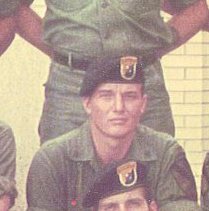
The years after I left the Rangers, up until I turned thirty, were filled with the continued anticipation that something was going to kill me, and that started a pattern in my behavior. I went to school, earned a bachelor’s and a master’s degree, became a certified public accountant, and then a certified financial planner but I didn’t turn that knowledge on myself. When I turned thirty, it was as if I didn’t know what to do because I hadn’t planned or dreamed of life after that age, but by that time I had cemented my personality.
I call these next years my mental illness years. As the years passed, I kept slipping in and out of depression, strapping a gun to my ankle, and keeping a ball-peen hammer under my driver’s seat in the car. I was in and out of marriages and relationships, never holding a job longer than two or maybe three years, never saving money, and becoming estranged from my boys. I started living in Mexico, until finally I pretty much hit bottom, at least emotionally. Life had drained me; it was hard. Even so, because of my gene pool and my athleticism, I started thinking I’d make it to 82; that seemed a good age. My mother is 93 (she doesn’t know this story). I thought that at 82, I’d hike up Long’s Peak in the winter, sit down under a tree or a rock, and go to sleep.
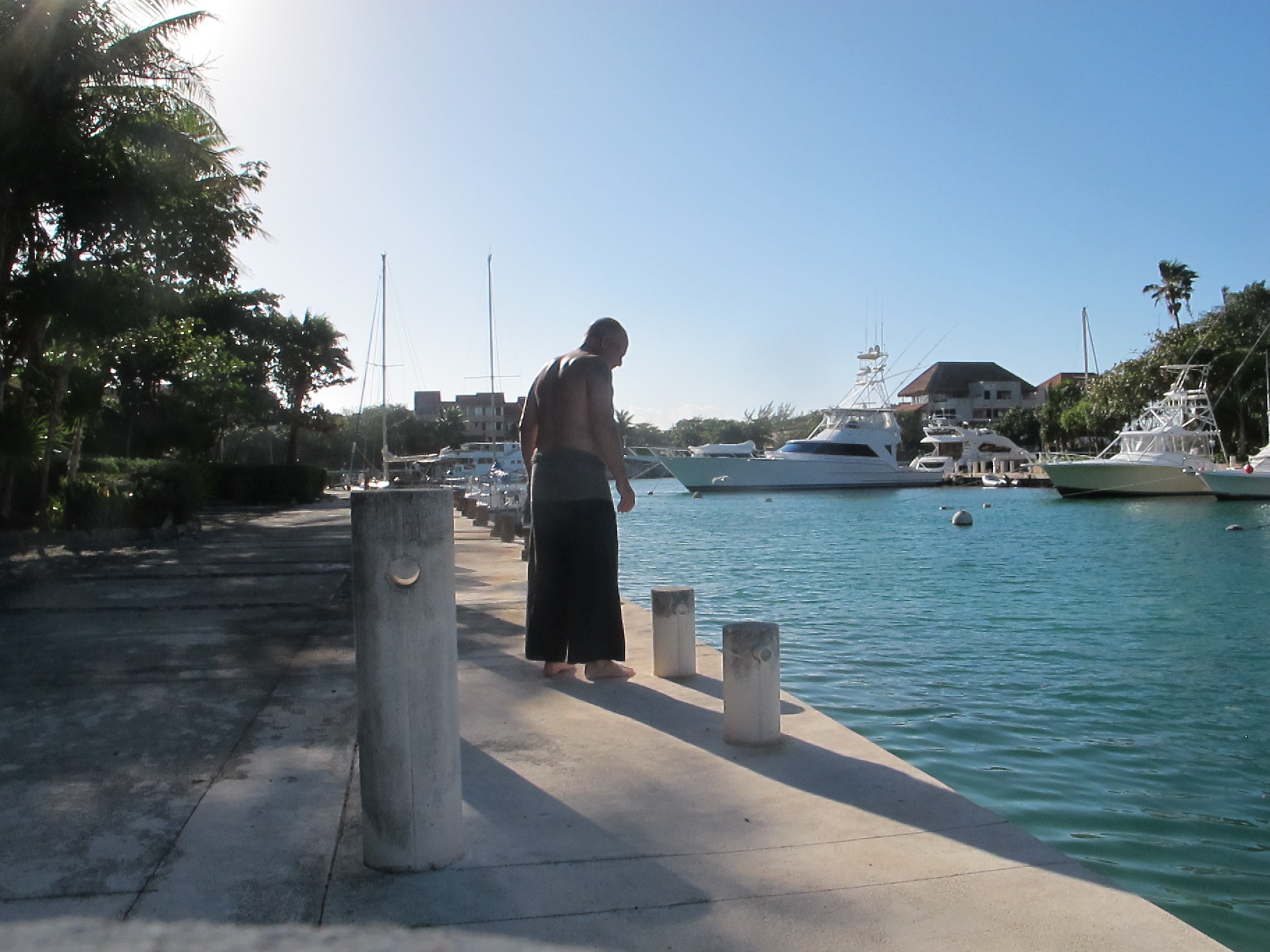
But then a couple of things happened. Much like the words of Joseph Campbell, I went into the forest and found the jewels, and returned to the world. And, as often happens, I met a woman, and when I first shook her hand, something changed.
So then I started thinking, just for the fun of it, why not aim for 100? I went online and found a mortality calculator that the insurance companies used and I ran everyone I knew through it. That calculator didn’t give me another thirty years, but I didn’t care, I was going to live to a hundred, and I smiled. Life had been hard but now, at age 69 I was happy. I knew that by living to a hundred I’d have to experience the death of most people who were dear to me, possibly even my sons, but living became a happy goal for me and I started planning accordingly. I thought, “Be the best person you can be. Help others, the ones closest to you. As you age, gain wisdom and tolerance, not anger. Love yourself.”
Now, I’m in a happy, loving relationship with a beautiful and wonderful woman, T. She has three daughters who each have their own challenges but are also bright and beautiful. I’ve somewhat repaired my relationships with my sons but there’s still work to be done there, and I’ll probably never be able to get close to my granddaughters because of the physical and emotional distance I put between us.
I’m pretty sure I had COVID before COVID was a thing and since that time I’d been short of breath. Over the past few years, I also had a prostate cancer scare (snip, snip, snip), carpal tunnel surgery, and rotator cuff surgery that failed, leaving me with the need for a reverse shoulder replacement (which I’ve declined because while I can’t lift my arm, I’m not in pain), a wonderful knee replacement that I’m so happy with, split fascia on the left shin, drop-foot and paralysis on the right foot, and a few other minor ups and downs physically.
Last summer, at my annual physical, I remarked about about my shortness of breath. I should mention that I’ve had sarcoidosis for years (that’s another story from my crazy years) and my doctors know this. There was a new cardiac physician assistant on duty and they called her in to see me. She was concerned that the sarcoidosis might now be involving my heart so she brought in a team and they ran some tests as I sat and stood and sat again, smiling, thinking they were overdoing things. Well, that started the ball rolling. That was last June. Since then, I’ve had 29 tests, procedures, and treatments. At the end of November, I was diagnosed with wild-type amyloidosis. You can google it. At this time, there are way fewer than 4,500 people in the U.S. who are diagnosed with this annually. Once again, pretty elite.
My disease or the tests triggered something because where my normal resting heart rate was 42, it suddenly increased to 105 and remained there. After two months of that and no sleep, I was exhausted. I tried to hide it but every time I walked I had to stop, bend over to rest, and my eyes would fill up. I was finally defibrillated, or shocked, back to a normal heartbeat, and three weeks later I still have the outline of the device on my chest. T says it looks like a horse kicked me.
When I see the staff at my specialist’s office, they tell me I’m lucky because of the type of amyloidosis that I have and that I should make it another four or five years.
In December, I went for a walk, my normal walk around the neighborhood. This was a couple of weeks after my diagnosis. I had to cross a road, so I looked both ways and saw there was no traffic. The next thing I knew, there was a circle of cars stopped around me and someone was asking me if I needed help. Someone grabbed my glasses while a couple others lifted me to my feet. A lady said, “Is there anything we can do?” I wanted to ask for a ride home but I just said, “No, but thanks.”
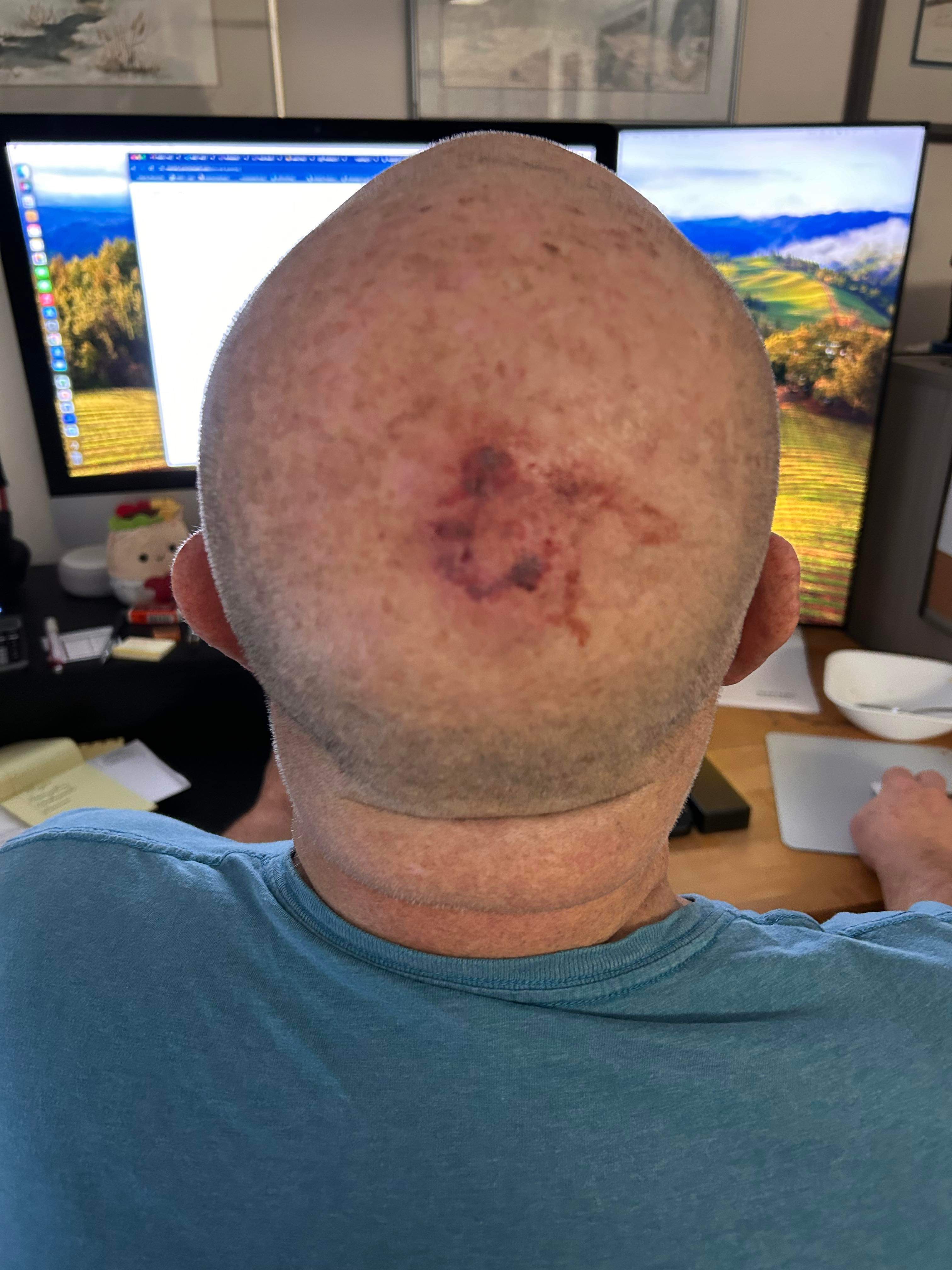
When T saw me later and noticed the blood on my head, she took me to urgent care which sent me to the hospital. I’d suffered a concussion and a compression fracture of my cervical vertebrae. I was to start on a blood thinner because of the high risk of stroke from my AFib but we had to delay that in case I had an issue with bleeding in my brain or neck.
I used to have a bias towards people with heart disease, I thought they brought it to themselves through lifestyle choices, and maybe they do. Maybe I brought my heart disease to me through my choices. There have been a lot of lessons in this.
The primary medicine that I’m on costs over $20,000 per month. My insurance company would pick up all but $3,659 per month but fortunately, my time in the army helps out to the point where this cost is not a concern. From being on few pills, so few that nurses often remarked how few, I’m now on pills to control my heartbeat, control my blood pressure, thin my blood so that I don’t throw off a blood clot, and on and on. I have a morning ritual of about 7 pills and an evening ritual of six pills.
This has been a grieving process.
When I cry, it’s not so much for me as it is for this precious vessel, my body, that has endured so much for me. When I cry, it’s because I know how much I’m going to miss T, my boys, and my family. I didn’t want to leave T alone.
I’m scraping by, but with all the medical procedures and pain it’s a struggle. I’ve got some fixed income but not nearly enough. I want to leave something good behind for the people who know me.
I’d like some help.
Age 70 isn’t young, but it isn’t 100.
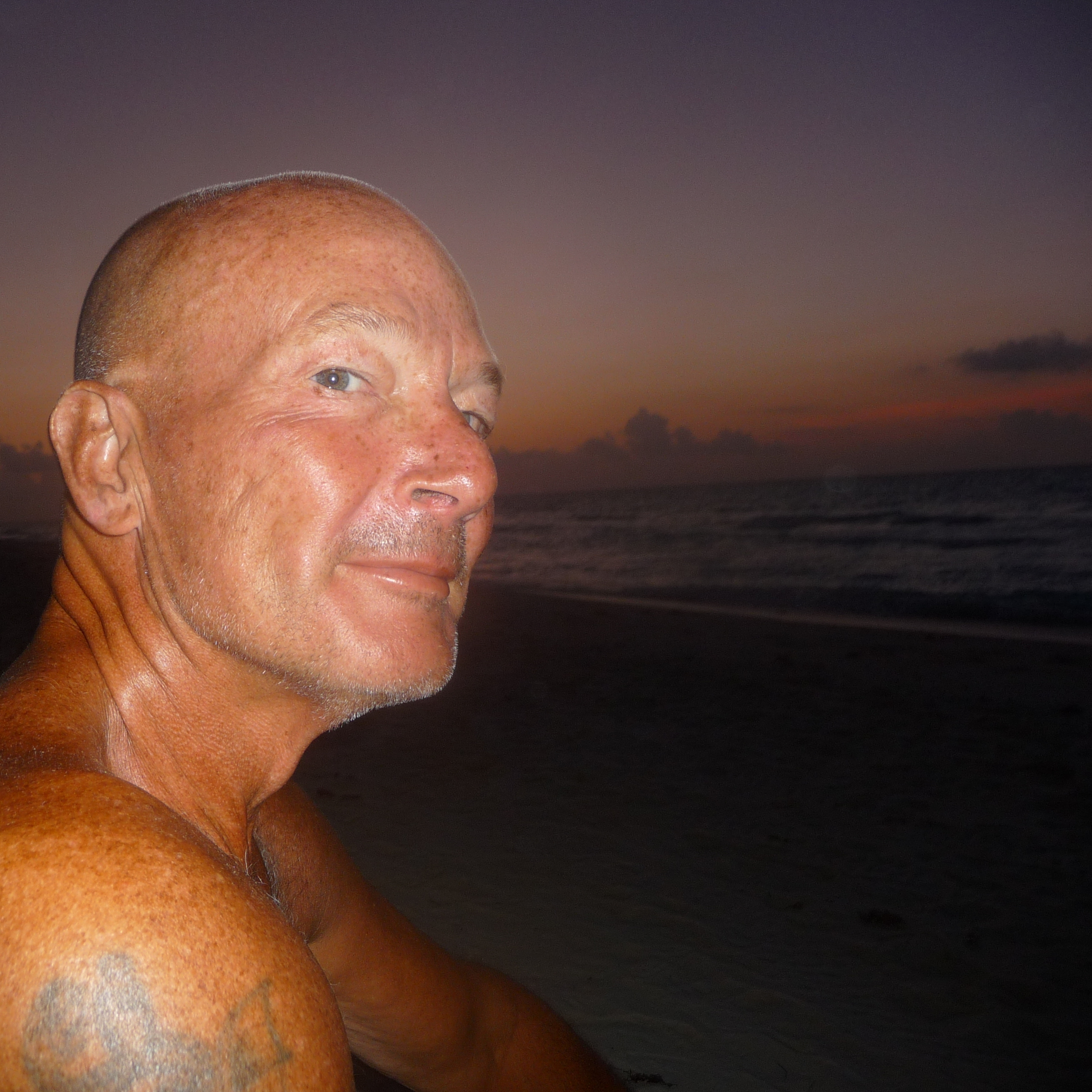
Thank you.
The Schneiders
I ran into my neighbor, Mr. Schneider, on my way out the door the other night. At eighty-eight years, he’s older than I am but seems to be doing well and he also seems to be a good fellow. We’ve had a few talks about whisky and family and dancing. He drives a van with a church bumper sticker on the front and regularly takes it out for a spin going who-knows-where but probably going to church and getting things to eat. He and the Mrs. are small people and can’t eat much, though I think he likes candy.
Last Halloween I opened my front door to check on the level of treats in the large wooden bowl I had sitting out there, and surprised him; catching him with his hand deep in the sweets, that guilty hand looking like a kid half-buried in those old ball-bowls at Chuck E. Cheese’s. We nodded.
Mrs. Schneider, who’s probably about the same age as her mate, had a medical event a while back and ended up in the hospital for nearly a month. Mr. Scheider would drive the 80-mile round trip every day to visit her. I knew he missed her, even more so when I met him at the mailbox one day and found him wearing a burgundy dress, complete with thin little bra straps showing at the shoulder. He wasn’t smiling and, as I said, I knew he was lonely. It’s a short walk to the mailbox and there’s not much exposure. We talked for a few minutes, neither one of us saying a thing about the obvious or unusual.
He shuffles when he walks and it’s a very slow shuffle. He’s being careful and that makes good sense. When the snow and ice came, he made sure to use at least one hiking stick to steady himself, but he still shuffled. I’ve never seen him shuffle further than his car – except for the one time I ran into him at the Meijers. We talked that time also, but I’m not certain he knew who I was.
I took a walk a while back. I wore good, treaded boots and my long burgundy overcoat. I don’t shuffle but I like to think I take care. I should say that it was both snowy and icy out and that I don’t use a hiking stick. Coming to a road to cross, I checked both ways, saw no traffic, and started across. I woke up sometime later, flat on my back in the middle of the road, three or four cars stopped, forming a protective wall around me, and two or three people kneeled near me, asking if I was okay or if I needed help. I could see my glasses clearly, lying about ten feet away, too far to crawl but crystal clear as if the fall had sharpened my vision; a lady got them for me. Two guys helped me up and asked if I needed anything. In my mind, I said, “Yes, please, someone take me home.” Outwardly, I said, “No, but thanks for what you’ve done,” and I cut my walk short and shuffled back home.
I haven’t seen Mr. Schneider in a few days.
 Pealzorch